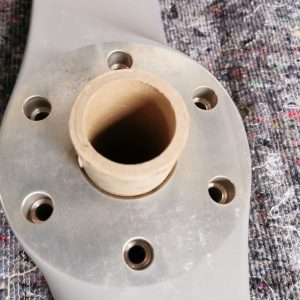
New, Never Installed should be evaluated through its data plate, serial number, dimensions, hub, mounting arrangement, storage condition, documentation, and approved aircraft-and-engine applicability.
A Sensenich Propeller P/N 74DM6-0-60 may also be advertised as a Sensenich 74DM6 Propeller or 74DM6-0-60 Aircraft Propeller when every model character, suffix, serial marking, and alteration detail is stated accurately.
Whether described as a Sensenich Fixed-Pitch Propeller, Sensenich Aluminum Propeller, Fixed-Pitch Aluminum Propeller, or Aluminum Aircraft Propeller, the individual unit should receive professional inspection before installation.
The 74-Inch Aircraft Propeller, 60-Inch Pitch Propeller, Lycoming O-320 Propeller, and General Aviation Propeller keywords represent common dimensional, engine, and application searches associated with the model.
Clear terminology supports both search performance and responsible aviation-product presentation.
Reviewing P/N 74DM6-0-60 Markings
Complete identification reduces unsuitable purchases and gives maintenance professionals the information required for further review.
The buyer should determine whether the propeller remains in its original manufactured configuration or has undergone any pitch adjustment, diameter reduction, refinishing, inspection, trial fitting, repair, or alteration.
New and Never Installed Condition
The phrase new and never installed generally means that the propeller has not been operated in flight or permanently mounted on an aircraft.
Any temporary mounting or dimensional checking should be disclosed clearly.
Sensenich Fixed-Pitch Propeller Design
Correct matching protects the engine, propeller, and aircraft from unsuitable loading or operation.
Diameter influences ground clearance, tip speed, aerodynamic load, and airframe compatibility.
Protecting Aluminum Propeller Surfaces
Metal construction does not eliminate the possibility of fatigue, corrosion, impact damage, improper material removal, dimensional loss, or storage deterioration.
Harsh cleaners, abrasive pads, unapproved polishing, and uncontrolled sanding should be avoided because they may damage the finish or alter blade surfaces.
Measuring the 74DM6 Propeller
Any authorized diameter reduction should appear in the propeller markings and maintenance records.
Blade-tip shape, symmetry, and previous alteration can influence measurement accuracy.
Comparing Pitch Between Both Blades
The 60-inch pitch designation is an important specification that should be verified through model markings, suitable technical data, and professional measurement when required.
Both blades should maintain suitable pitch consistency, contour, and dimensional symmetry.
Verifying Aircraft and Engine Applications
The buyer should review current approved installation information before purchasing or mounting the propeller.
The mounting flange, pilot fit, bolt pattern, spacer arrangement, and spinner components should also match the receiving installation.
Protecting the Matched Two-Blade Design
Matched blade condition supports smoother propeller operation.
The buyer should examine both blades for differences in paint, coating wear, pressure marks, corrosion, shape, tip condition, and packaging contact.
Hub and Mounting Configuration
A genuinely never-installed propeller should not show unexplained fretting, bolt loading, or flange-contact patterns.
Fasteners should not be selected solely by visual appearance, basic diameter, or thread size.
Evaluating Scratches, Dents, and Finish Damage
Professional evaluation protects the Sensenich Aircraft Propeller from unsuitable installation.
Suspicious areas should be examined carefully after the wrapping is removed using appropriate handling procedures.
Corrosion Inspection and Storage History
Complete corrosion evaluation supports responsible purchasing.
Protective covers should prevent contamination and impact without encouraging condensation around the aluminum.
Supporting Installation Eligibility
Documentation should be interpreted according to its specific wording, scope, and serial-number reference.
A release certificate or service tag belonging to another serial number check here does not establish the condition of the offered unit.
Evaluating Release Paperwork
Conflicting or incomplete identification should be resolved before payment or installation.
Paperwork should not be interpreted beyond its actual scope or current relevance.
Buying the Sensenich 74DM6-0-60
The buyer should obtain enough information for a qualified propeller specialist or aviation mechanic to review the component.
- Compare the propeller with the receiving aircraft model, serial range, Lycoming engine designation, engine flange, spinner, operating limitations, and approved installation information.
- Arrange qualified propeller evaluation whenever physical condition, dimensions, documentation, or installation eligibility remain uncertain.
- Retain photographs, serial information, measurements, purchase records, inspection reports, release documents, and freight paperwork with the aircraft project file.
Protecting a New Two-Blade Propeller in Transit
The unit should not rest against hard surfaces that concentrate loads on a blade edge or tip.
Loose hardware, records, spinner components, and accessories should be wrapped, labeled, and secured separately.
Storing the 74DM6-0-60 Propeller
Storage supports should avoid concentrating weight on blade tips, edges, or thin blade surfaces.
Identification labels, serial records, release documents, and included hardware should remain associated with the correct propeller.
Mounting the Replacement Aircraft Propeller
Installation should be completed by appropriately qualified aviation maintenance personnel using applicable aircraft, engine, propeller, spinner, and hardware information.
Blade tracking should be evaluated after mounting.
Initial ground operation should monitor vibration, RPM, unusual noise, mounting security, spinner behavior, and other abnormal indications.
Protecting Long-Term Propeller Condition
Unapproved filing or sanding can remove excessive material and alter the blade geometry.
Maintenance records should identify inspection findings, measurements, corrective action, parts, dates, and personnel involved.
Evaluating Never-Installed Propeller Pricing
A recent professional inspection may add value when the scope, measurements, findings, and documentation are described accurately.
The lowest advertised price may not represent the lowest installed cost when hardware, records, or compatibility information are incomplete.
New, Never Installed
The Sensenich Propeller – P/N 74DM6-0-60
Careful technical and commercial review can reduce compatibility problems, missing-hardware expenses, storage-related concerns, installation delays, inspection costs, and documentation issues.
Whether the propeller is purchased for replacement, restoration, new construction, spare inventory, resale, or an aircraft project, transparent information and qualified oversight provide the strongest foundation.
With responsible purchasing, dimensional verification, corrosion and damage inspection, correct hardware, tracking, and balance evaluation, the component can remain a valuable aviation asset.